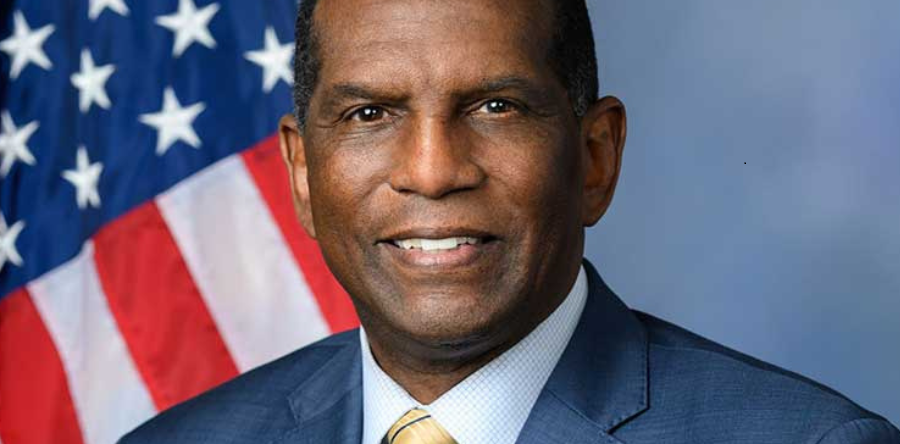
Congressman Burgess Owens (UT-4) recently introduced legislation that would prevent impairment in the workplace. The bill would sanction a workplace training program through the National Institute of Occupational Safety and Health
The U.S. National Institute of Environmental Health Sciences (NIEHS) has published a comprehensive workplace toolkit for the prevention and response to opioids and substance use.
A recovery friendly workplace (RFW) goes beyond the typical drug free workplace program and educates all workers from the top down on strengthening the workplace culture through evidence-based practices.
Increased use of illicit substances, especially opioids and fentanyl, along with an increase in deaths from these drugs during the pandemic appears to account for a decline in workforce participation of between 7% - 19% out of an overall reduction of 9% - 26%.
As we observe Alcohol Awareness Month, it's crucial to acknowledge the significant impact of alcohol misuse in the United States and how that misuse can potentially affect your workplace and...
In the glossy realm of television, workplaces are often depicted as hubs of drama, intrigue, and sometimes, a fair bit of substance use. Take the Max TV series "Industry," for...
In the pursuit of fostering a safe and healthy work environment, implementing a comprehensive drug-free workplace policy is a pivotal step for employers. The nuances of these policies may vary,...
As medical and recreational marijuana gain legal ground in more states, employers are taking a fresh look at their nationwide drug and alcohol policies. Yet, despite shifts in state-level regulations,...